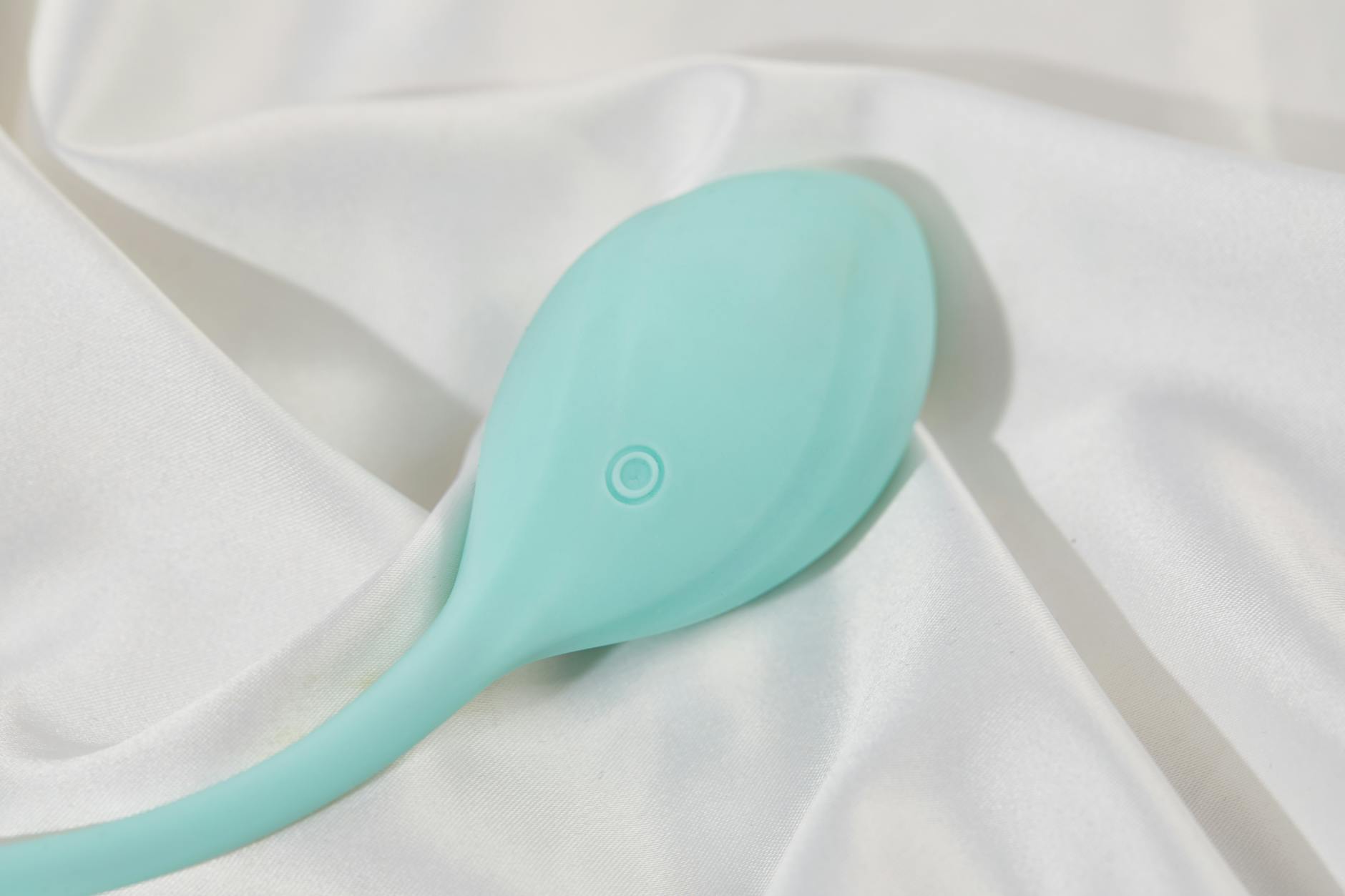
How to Introduce Lemon Vibrators to a Partner Who Has Never Used Toys
Here's the thing about bringing sex toys into a long-term relationship: the conversation feels much harder in your head than it is in real life. Most partners don't react with offense or insecurity. They react with curiosity, relief, or "Why didn't you bring this up sooner?"
But the first time you say it out loud matters. This guide walks you through exactly how to frame it, timing that works, and what to actually say when the moment arrives.
Why partners worry (and why they usually don't need to)
When you've been intimate with someone for years, introducing a new tool can feel like you're saying "what we have isn't working." You're not. You're saying "I want more of the good thing we already have."
Your partner might worry they're not "enough" or that you've been unsatisfied. They might wonder if you've wanted this for years and hid it. They might feel a little embarrassed about their own inexperience with toys. These feelings are normal. They're also almost always temporary once the conversation actually happens.
The key is separating two truths: your relationship is solid AND you want to expand what's possible together. Both things are true at once.
The setup conversation (start here, not in bed)
Don't introduce a lemon vibrator in the moment. Talk about it first, separately from sex. This gives your partner time to sit with the idea without pressure.
Pick a relaxed moment. Not right before bed when you're both exhausted, not in a fight, not when either of you is stressed about work. A Sunday morning over coffee works. A quiet moment after dinner works. The vibe should be: "I've been thinking about something and I want to run it by you."
Honestly though, most partners respond better to directness than to a long preamble. You don't need to make a whole speech. Try something like this:
"I've been curious about trying a clitoral vibrator together. Something like the Lem, which uses suction instead of just vibration. I think it could feel really good, and I'd like to explore that with you. What do you think?"
That's it. You've named the tool, explained the mechanism (this part matters—it sounds less mysterious), expressed that you want to do this together, and invited them to respond.
What to say when they ask follow-up questions
Most partners will ask at least one of these:
"Why do you want this?" Be honest. "My pleasure matters to me. I've read that clitoral vibrators can feel different than what we've been doing, and I'm interested in trying that." Don't say "because you're not giving me enough." That's not what you mean, and it sets a defensive tone.
"Does this mean you're not satisfied with sex?" "No. I'm satisfied. I also want to experience more. Those two things aren't in conflict." The phrase "I want more of a good thing" works well here too.
"Why didn't you bring this up sooner?" "I wasn't sure how, and I wasn't comfortable asking until now." Or "I just started thinking about it recently." Both are fine. Don't apologize for wanting to explore.
"Are you thinking about this because of something else?" Only answer this honestly if you know the answer. If you're bringing up toys because the relationship has felt distant, address that separately. Don't let the toys conversation become a proxy for the real issue.
How to handle hesitation
Some partners need processing time. They might say "I don't know" or "I'd need to think about it." That's not a no. It's a pause. Give them that space.
If they ask for more information, provide it. Share what a lemon clitoral vibrator actually does. Explain that it's not a replacement for partnered sex—it's an addition to what you already have. Show them the thing if they want to see it.
If they're worried about pain or that it will be "too much," you can walk them through how lemon toys work. They use gentle suction, not aggressive vibration. They're designed for pleasure, not punishment. You control the intensity. These details often matter.
Don't pressure. "I'd really like to do this together, but I understand if you need time to feel comfortable. We can talk about it again whenever you're ready." Then actually let them bring it up next, or bring it up again in a few weeks.
The frame that usually works best
Here's what I've noticed after years of coaching couples: partners respond best when you frame the conversation around shared pleasure, not personal dissatisfaction.
Instead of: "I think my orgasms could be better with help." Try: "I want to explore what feels even better. I'd like you to be part of discovering that with me."
Instead of: "I've been wanting this for a while." Try: "I've been thinking about this, and I think it could be really hot to try together."
The second option includes your partner in the discovery. It makes it collaborative rather than reactive. Most long-term partners want to feel like they're on a team with you, especially around sex.
When to introduce the actual toy
Once your partner has said yes (or is leaning toward yes), don't wait weeks to follow through. That kills momentum and lets doubt creep back in.
Show them the toy in a low-pressure way. "This is what I'm thinking about. Have a look." Let them hold it. Answer any practical questions (size, noise, materials, how to clean it). Normalize it by treating it like any other object in your intimate life.
Then, set a time to use it together. Don't surprise them with it mid-session. "How would you feel about trying this next time we're intimate?" Give them a heads-up so they can mentally prepare.
If they want to research it first, let them. If they want to watch videos or read about how lemon toys work, support that. The more your partner feels informed and in control of the timeline, the less anxious they'll feel.
The first time using it together
Go slowly. Start with lower settings if you're using a vibrator with intensity levels. Let your partner see what it feels like at their own pace. Many people find that once they experience a clitoral vibrator in action—especially one as well-designed as a lemon sucker—the hesitation evaporates immediately.
Talk during and after. "How does that feel?" "Do you like this pattern?" "Want me to try a different intensity?" This keeps your partner engaged and reminds them that this is about shared exploration, not about you checking something off a solo list.
If it doesn't feel amazing the first time, that's normal too. Bodies sometimes need a few sessions to understand what feels good with a new sensation. Give it two or three tries before deciding if it's working.
Red flags that mean the conversation needs a different approach
If your partner responds with anger, disgust, or refusal to discuss it at all, there's something deeper going on. This might be shame around sex in general. It might be insecurity about their own attractiveness or performance. It might be a genuine incompatibility around sexual expression.
These aren't problems that introducing a lemon vibrator will fix. You might need to talk to a couples therapist or sex educator together. That's not a failure. It's actually the more honest path forward.
If your partner agrees but then keeps backing out when it's time to actually try it, that's also information. They might not actually be comfortable, or they might need more time, or they might need the conversation to happen differently. Check in gently. "I notice we keep stepping back from this. Is there something I'm missing? What would make you feel more comfortable?"
If your partner brings it up first (the reverse scenario)
Some people reading this might be in the opposite position: your partner wants to introduce toys and you're the hesitant one. The same rules apply in reverse. Listen. Ask questions. Take time to sit with it. Don't say yes just to please them. But also don't say no without understanding what they're actually asking for.
How to Use a Lemon Vibrator During Sex With a Partner walks through the practical mechanics once you both feel ready. It covers positioning, communication during sex, and how to make toys feel like part of your shared intimacy rather than an intrusion.
The thing nobody tells you
Once you've had this conversation and tried it together, you'll often find that your partner was relieved you brought it up. They might have been curious too and didn't know how to say it. They might realize that their own pleasure matters as much as they thought it did. They might start paying more attention to what actually feels good instead of defaulting to what's always worked.
The conversation that feels scary to start is often the one that makes your intimate life actually better.
FAQ: Bringing Up Toys With a Long-Term Partner
What if my partner thinks lemon vibrators mean I'm bored with them?
That's not what toys mean. Toys are an expansion of pleasure, not a replacement for your partner. People don't buy a vibrator because their partner isn't enough—they buy it because they want more sensation, more options, more ways to feel good. You can have an amazing partner AND want to explore what a clitoral vibrator feels like. Frame it that way: "This isn't about you. It's about me wanting to experience more pleasure, and wanting you there with me."
How do I know when the right time is to bring this up?
There's never a perfect time, so don't wait for one. But avoid bringing it up when either of you is stressed, tired, mid-fight, or minutes before sex. A calm moment—morning coffee, a walk, sitting on the couch with no agenda—works best. You want your partner's full attention and mental space to think.
What if they say no?
Then you have a choice to make. Can you be intimate without toys? Yes. Do you want to try them solo? That's also valid. Do you need to revisit the conversation in a few months? Maybe. But don't pressure, don't resent, and don't sneak a toy into your shared intimate life. Consent matters, and so does respect. If toys feel non-negotiable for you and your partner is a hard no, that's real incompatibility worth addressing honestly.
Is it better to introduce toys early or later in a relationship?
Both have trade-offs. Early in a relationship, there's usually less baggage around sex, so suggesting a lemon vibrator might feel more natural. Later in a relationship, you might have more established trust, but also more entrenched patterns. The best time is whenever you feel ready to ask. Don't wait until resentment builds.
How do I bring this up if we've been together for decades?
Actually, long-term couples have an advantage. You know each other. You've likely navigated harder conversations. You can say: "I've been thinking about trying something new together. I know we've been doing the same thing for a long time, and I think it could be really fun to explore." Framing it as a shared adventure—not as "you've been failing me"—usually lands well.
Should I buy the toy before or after the conversation?
After. Definitely after. Buying it before can feel presumptuous and can back your partner into a corner. If you've had the conversation and they're interested, then you buy it together or surprise them after they've said yes. Let them be part of the choice if possible.
What if I'm embarrassed to say the word "vibrator"?
Start with a softer framing: "I've been thinking about trying a clitoral toy together." Or use the specific name: "Have you heard of the Lem? It's a lemon vibrator that uses suction instead of regular vibration." Once you say it out loud once, it gets easier. Your partner's reaction will probably be "Oh, okay" not "WHAT DID YOU JUST SAY." Most people are less horrified by toys than you think they'll be.
Can I introduce lemon vibrators into sex without talking about it first?
No. Not really. Surprising someone with a toy—even if your relationship is otherwise great—can feel violating because it removes their choice and agency. Always ask first. The conversation doesn't have to be long, but it has to happen.
How do I talk about this if we've been in a sexless or low-frequency phase?
Don't let the toy conversation become a substitute for addressing the real issue. If your relationship has been sexually disconnected, you need to talk about why first. Is it stress? Resentment? Mismatched desire? Medical issues? Then, once you've addressed some of that, toys can help rebuild connection. But a lemon vibrator isn't a fix for a broken intimate life—it's a tool for people who already have some foundation.
The conversation gets easier every time
Your first "I'd like to try a clitoral vibrator together" will feel like the hardest one you've ever had. Your second conversation about trying something new together will feel much easier. Your third will feel almost casual.
This is one of those moments where the anticipation is worse than the reality. Most partners respond with openness once they understand you're not saying "what we have isn't working." You're saying "what we have is good, and I want to keep exploring together."
That's a much easier sentence to say than your anxiety is making it sound.