Here's what I hear in sessions
"Sex used to feel good. Now it hurts, and I don't know why." Or sometimes there's a reason. Endometriosis, pelvic floor tension, age-related tissue changes, scar tissue from childbirth, medication side effects. The why matters for treatment, but what matters immediately is this: pain is real, and it doesn't mean you're broken.
It means penetrative sex, at least for now, isn't the move. And that's where most people get stuck. They think penetration is sex, so when penetration becomes uncomfortable, they assume pleasure has closed off. It hasn't. It's just moved.
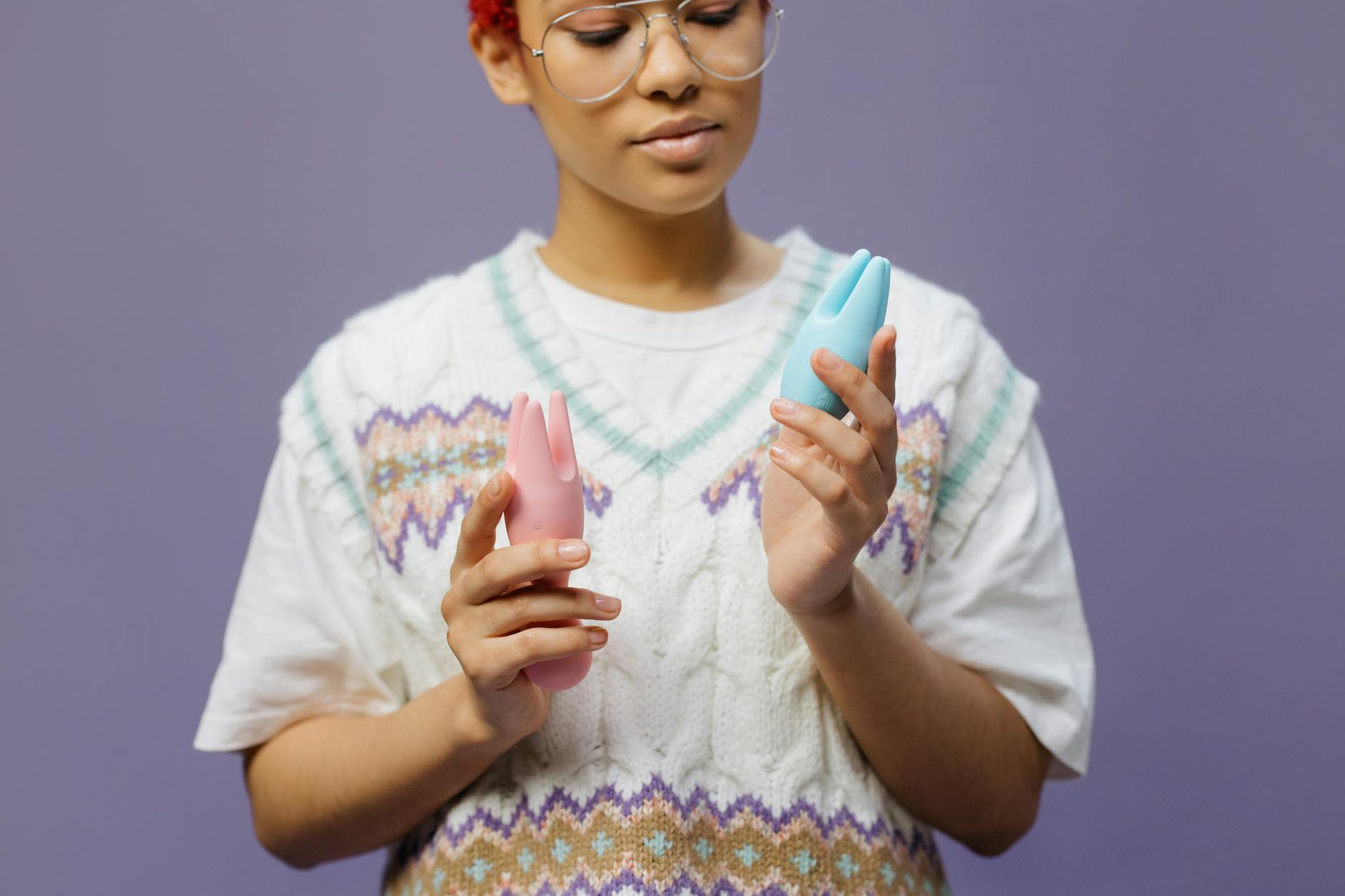
Lemon vibrators, particularly air-suction devices like the Lem, are the practical answer to this very common problem. Not because they're magic. But because they let you access pleasure without the friction, pressure, or depth that makes penetration feel bad.
Why penetration pain happens (without needing the diagnosis)
There are a dozen medical reasons penetration might hurt. Endometriosis, pelvic floor dysfunction, vestibulodynia, vaginal atrophy, adhesions from surgery, vaginismus. A good gynecologist can help identify which one. But whether you have a diagnosis or not, the physical reality is the same: the vaginal tissues are either too tender, too tight, or too thin to accommodate penetration without pain.
That's the mechanical problem. The emotional problem is harder. Many people internalize penetration pain as a personal failure, or worse, as a sign they're not "sexual enough" anymore. I want to be very clear: that's false. Your capacity for pleasure is intact. The access route has changed.
The clitoral vibrator solution
When penetration is off the table, clitoral vibrators become the main event rather than foreplay. This is a reframe that takes work for some people, because we're conditioned to see clitoral stimulation as supplementary. It's not. For the vulva, clitoral pleasure is primary.
Lemon clitoral vibrators work particularly well for this transition because they use suction rather than vibration alone. Suction stimulates the clitoral nerve without the same direct pressure or friction that can feel intense or uncomfortable if you've been avoiding stimulation due to pain.
If you've never used a lemon sucker before, the sensation is different from traditional vibrators. It creates a gentle vacuum pulse that feels like a subtle sucking motion. No poking, no grinding. Just steady, concentrated stimulation that builds sensation from the inside out.
The practical setup
Here's what I recommend when someone is transitioning away from penetration:
Start solo. Your first clitoral vibrator session after penetration pain should be alone. You need to learn what your body actually wants without the pressure of a partner's expectations or presence. Give yourself 30-45 minutes, no time limit, no goal. You're mapping new terrain.
Use lubricant. Even if you don't think you need it. Water-based lube reduces friction and makes the sensation feel less intense. A lot of people find that lube actually makes the experience feel more luxurious rather than more clinical.
Start at low intensity. The Lem has six intensity levels. Most people default to 4 or 5. If you're coming from penetration pain, start at 1 or 2. Let your tissues acclimate to the sensation. You can build intensity over multiple sessions, or you might find that lower intensity is actually your sweet spot. There's no "correct" level.
Expect it to take longer. Arousal builds differently without penetration. Budget 20-30 minutes of buildup before you're looking for orgasm. This isn't a disadvantage. Longer sessions often create deeper pleasure and more intense orgasms because you're fully present instead of goal-focused.
What to tell your partner (if you have one)
If you're in a relationship, this transition requires honest conversation. And I mean honest, not protective. "I want to protect you from disappointment" often means "I'm not going to tell you what's actually happening," which tanks intimacy.
Try this: "Penetration is uncomfortable right now. I'm not sure if it's temporary or long-term, but I do know I want to stay connected physically. I'd like to explore clitoral stimulation as the main event, not the opener. I need you to be on board with that."
Then listen to what they say. If they respond with frustration or refusal, that's information. That's a relationship conversation that goes beyond this one. But if they're willing, you now have two options: you using a clitoral vibrator while they're present, or them using one on you. Both are sex. Both can be deeply connecting.
Many couples find that removing the penetration expectation actually increases intimacy. Without that pressure, you're both more relaxed. The experience lasts longer. Attention goes to other kinds of touch. It sounds counterintuitive, but it's real.
The sensations you might discover
One thing I hear constantly from people who've transitioned to clitoral vibrators after penetration pain is surprise. "I didn't know I could feel like this." Or: "This is actually better." That's not settling. That's a nervous system opening up to a different kind of pleasure.
Without penetration, your focus narrows to clitoral sensation. That sounds limiting, but it's the opposite. You're removing one input so you can intensify another. Many people report that clitoral orgasms from dedicated suction devices like lemon vibrators feel more focused, longer-lasting, and sometimes give them multiple orgasms in a single session.
You might also discover that the rest of your body matters more. Without penetration as the main event, touch elsewhere becomes its own form of foreplay. Neck, inner thighs, breasts, hands. Partners report that they're more attentive because they're not locked into one position or dynamic.
When to bring a partner into it
Once you've explored solo, partner involvement can deepen. Some options:
They can hold or use the vibrator on you. This brings back the element of being with someone while removing the penetration expectation. It's intimate in a different way.
You can use it during manual stimulation or oral sex. The Lem can be used alongside other forms of touch. Many people find that combining clitoral suction with finger penetration feels comfortable when full penetration doesn't.
They can use the time for their own pleasure. Mutual pleasure doesn't mean simultaneous penetration. It can mean you're both focusing on what actually works for your bodies.
The key variable is communication. Check in before, during, and after. "Does this feel good?" is a question you should ask yourself and invite them to ask you.
If pain persists or worsens
Clitoral vibrators are great tools for shifting focus away from penetration pain. But they're not a substitute for medical care. If penetration pain is new and persistent, see a pelvic floor physical therapist or a gynecologist who specializes in sexual pain. Conditions like endometriosis, pelvic floor dysfunction, and vulvodynia are treatable, and treatment can sometimes make penetration comfortable again.
Clitoral vibrators aren't a workaround for untreated pain. They're a real and valid way to experience pleasure when penetration isn't available. But you deserve to know what's happening, and you deserve treatment if you want it.
The shift in perspective
One of the biggest changes I see in couples who move away from penetration-focused sex is relief. Not loss. Relief. The pressure to perform a certain kind of sex lifts. The goal-orientation drops. You're left with the actual question: what feels good?
Lemon clitoral vibrators give you an answer to that question that's reliable, solo-friendly, partner-friendly, and often more intense than what came before. That's not a consolation prize. That's a different game entirely.
Your capacity for pleasure hasn't diminished. The path to it has simply changed. And sometimes a new path opens up sensations and experiences that the old one never could.
Frequently asked questions
Can you use lemon vibrators if you have penetration pain?
Absolutely. In fact, clitoral vibrators are often the best choice when penetration is uncomfortable. They bypass the tissues that hurt and focus stimulation on an area that typically doesn't carry the same pain response. You get full pleasure without the pain trigger.
Do you have to tell your partner you're using a vibrator?
If you're in a committed relationship and you're using it regularly, honesty matters for trust. But you don't owe anyone disclosure about your solo exploration. If a partner reacts poorly to you using a vibrator, that's worth examining. Sex toy use isn't infidelity. It's self-care.
Will a lemon vibrator make penetration possible again?
Not directly. A vibrator is a tool for pleasure, not a treatment for pain conditions. If penetration pain has a medical cause, you need medical treatment. That said, many people find that reducing performance pressure and exploring other kinds of pleasure makes them more relaxed, which sometimes helps with penetration. But that's a side effect, not the primary purpose.
What if nothing feels good down there anymore?
That's often a sign of deeper physical or emotional causes. Medication changes, relationship stress, depression, previous trauma, and medical conditions can all flatten sensation. A clitoral vibrator might help, but you might also need a therapist, a doctor, or both. Pleasure isn't just about the toy. It's about the whole system.
Is it normal for clitoral orgasms to feel different than penetrative ones?
Completely. They're different nerve pathways, different tissue involvement, different anatomy. Clitoral orgasms often feel more localized and intense. Penetrative orgasms can feel deeper or more internal. Neither is better. They're just different experiences. Most people experience both differently and prefer one or the other depending on context.
Can you use a lemon sucker with a partner inside you at the same time?
Yes, and many people find it works well. The clitoral suction provides concentrated stimulation while your partner provides different sensation elsewhere. Just make sure communication is clear and that you're both comfortable with the sensation and positioning.
The real takeaway
Penetration pain is common enough that major gynecological organizations have clinical guidelines for it. That means it's not rare, it's not shameful, and it's not the end of your sexual life. It's a redirect.
Lemon clitoral vibrators aren't a backup option. They're a primary pathway to pleasure that opens up possibilities penetration never could. Give yourself permission to explore it fully, without guilt or settling language. Your body isn't broken. It's just asking for something different right now.
If you're ready to explore, start with how to choose clitoral vibrators when you've never owned one before. And if you're navigating this shift with a partner, the conversation itself is an act of intimacy. You're choosing honesty over performance. That's the real foundation of good sex.