Here's the thing nobody tells you
Years of using the same toy at the same intensity can genuinely change how your clitoris responds. Not because your body is broken. Because your nervous system adapts. The technical term is desensitization, but it's not a character flaw. It's how neuroplasticity works. Your clitoris has spent years receiving the same signal, and your brain has learned to filter it out like background noise.
The good news: you can retrain it. Not with willpower or shame. With actual technique shifts, intentional breaks, and understanding how sensation works.
What's actually happening with nerve adaptation
Your clitoris has roughly 8,000 nerve endings packed into a space the size of a pea. When you use the same vibrator at the same pattern for years, those nerves stop firing as urgently. It's the same reason you don't notice your clothes on your skin after a few minutes, or why a recurring sound stops waking you up at night.
This isn't numbness. It's your nervous system being efficient. Too efficient.
The intensity matters here. If you've been using a powerful toy on high speed for extended sessions, you've been sending a very loud signal repeatedly. Your body responds by turning down the volume. You need a louder stimulus to feel the same effect. This isn't addiction. It's adaptation.
Hormones also play a role. If your estrogen has shifted, your skin is thinner and less reactive. If you're stressed or sleep-deprived, your nervous system dampens sensation across the board. If you've been using the same toy so long you've stopped being mentally present, your brain isn't fully registering the stimulus anymore. All of that compounds.
The reset: why stepping back actually works
The most effective intervention is a break. Not weeks of abstinence if that feels impossible. Just enough time (typically 2-4 weeks) to let your nerve endings stop filtering.
During this break, you're allowed to touch yourself. You're allowed to have sex with a partner. You're just not using the toy. The goal is to let your clitoris remember what baseline sensation feels like.
Here's what happens neurologically: your nerves stop receiving that repeated high-intensity signal. Slowly, they stop dampening their response. Sensation doesn't just come back. It gets recalibrated. When you reintroduce the toy after the break, it often feels completely different. Sometimes stronger. Sometimes just... present again.

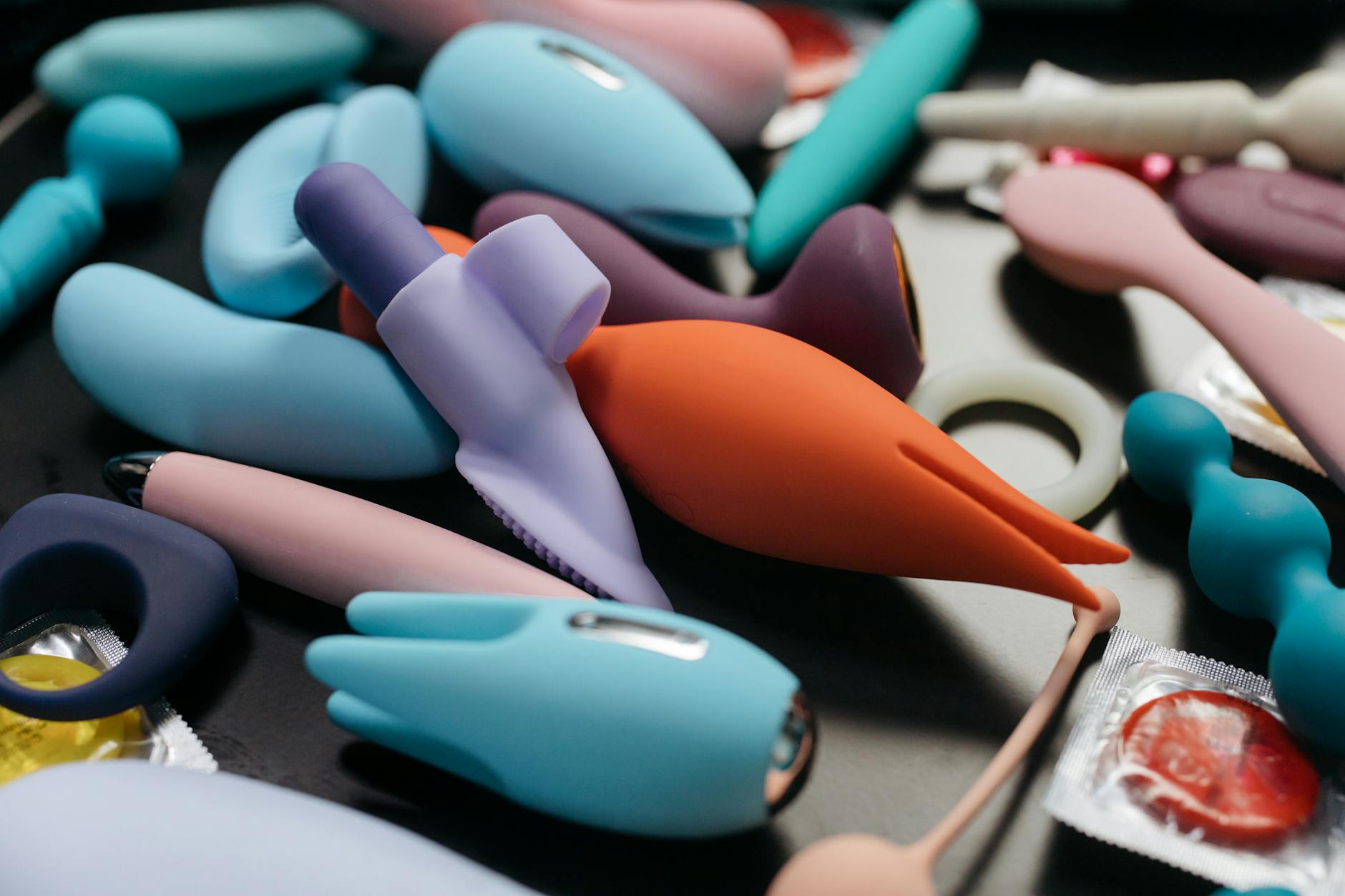
Photo by FounderTips on Pexels
When you're ready: switching tools and patterns
If you return to the same toy at the same settings, you'll likely slip back into adaptation within a few months. The solution isn't to go cold turkey forever. It's to vary stimulus.
Try a different vibrator altogether. The Lemon clitoral vibrator works differently than most toys because it uses suction rather than rapid vibration alone. If you've been using a standard vibrator, switching to a suction toy changes the entire sensory input. Your nerves notice. Your brain reengages.
If you're sticking with your original tool, change the pattern you use. Most vibrators have multiple settings. If you've been on pattern 5 or 6 exclusively, drop to pattern 1 or 2. Use it for shorter sessions. Your clitoris will feel it more acutely because it's not the stimulus it's learned to expect.
Timing matters too. Use the toy when you're most alert and present, not half-asleep or distracted. Arousal involves your brain, not just your vulva. If you're mentally checked out, your nervous system doesn't register pleasure as fully.
Rebuilding sensation without shame
Many people feel embarrassed that they've "worn out" their sensitivity. You haven't. You've adapted. The framing shift matters because shame makes the problem worse, not better.
Your body isn't malfunctioning. It's doing exactly what healthy nervous systems do. The fix isn't medication or resignation. It's awareness and strategic change.
If you're in a partnership, this is worth discussing openly. If you've been relying on intensity to climax, your partner might assume the issue is arousal or attraction. It's not. It's sensory adaptation. Explaining it that way removes the sting and opens the conversation to solutions you can try together.
Some people find that partnered touch feels more effective during the reset period. Other people discover that slower, more deliberate self-touch brings sensation back faster than they expected. There's no single path. But the common thread is intentionality. You're changing something about the stimulus so your nervous system has to pay attention again.
Practical steps to start today
If you want to rebuild sensitivity without a full break, try these.
Use a lower pattern. If your toy has 10 settings, start at 2 or 3. Yes, it might feel weak initially. That's the point. You're teaching your nerves that softer signals matter. Spend a week at this level before increasing.
Reduce session length. If you've been using the toy for 30-45 minutes, cut to 15-20. Shorter, more focused sessions with full attention beat long sessions on autopilot. Your clitoris gets a clearer signal.
Add manual touch. Combine toy use with finger touch. Use the vibrator on a lower setting while you provide pressure or movement with your hand. This creates a more complex stimulus pattern than the toy alone.
Try a new tool temporarily. You don't need to buy another toy permanently. But borrowing a different vibrator, or trying a lemon clitoral vibrator if you've been using something else, reminds your nervous system what novelty feels like.
Build in rest days. Even without a full break, using the toy 4-5 times per week instead of daily allows your nerves to recover between sessions.
None of this requires quitting pleasure. It requires paying attention to how pleasure works.
The longer-term pattern that prevents this
Once you've rebuilt some sensitivity, the goal is maintaining it without recreating the same adaptation cycle.
This means varying your approach regularly. Alternate between different toys or patterns. Mix in partnered touch. Change the time of day you're using it. Switch between longer arousal buildup and shorter, more intense sessions. Your nervous system craves novelty. Give it to you.
It also means checking in with yourself about why you're using a toy at a given intensity. Are you chasing a feeling that's getting harder to reach? That's the adaptation pattern talking. Are you using the toy mindfully, or on autopilot while scrolling? Presence matters more than power.
If you notice sensitivity starting to dull again, don't wait for it to become a full adaptation cycle. Take a break for a week or two. Switch tools. Change your pattern. Small interventions now prevent the need for major resets later.
Questions people ask about sensitivity and lemon vibrators
Can I permanently damage my clitoris with a vibrator?
Not through normal use. Your clitoris is tougher than you think. Desensitization is reversible. Even extreme cases of numbness from sustained high-intensity stimulation bounce back with time and variation. What you're experiencing is adaptation, not damage.
Does using lemon vibrators specifically help with sensitivity recovery?
Yes, partly because suction stimulation works differently than traditional vibration. If you've adapted to high-speed vibration, switching to a suction-based tool like the Lemon clitoral vibrator changes the sensory input your nerves receive. That novelty itself can jumpstart re-engagement. It's not magic. It's just a different stimulus pattern.
How long does it take to get sensitivity back?
Most people notice improvement within 2-3 weeks of reducing intensity or taking a break. Full restoration can take 4-8 weeks depending on how adapted your nerves were. Patience compounds here. The longer you're willing to sit with softer sensation, the more dramatic the return usually is.
Is it normal to feel weak in my sensitivity if I haven't used toys in years?
Completely normal. Even without a toy, arousal patterns change with age, hormones, stress, and relationship dynamics. If you're reintroducing a toy after years, starting at a lower intensity makes sense. Your clitoris will respond more robustly once it remembers.
Can hormonal changes cause the same feeling as adaptation?
Yes. Estrogen changes, thyroid shifts, medication side effects, and stress hormones all dampen sensation. If sensitivity dropped suddenly rather than gradually, hormones might be the driver. A gynecologist can help you sort this. Adaptation usually creeps in over months or years. Hormonal shifts feel more abrupt.
What if I like intense sensation? Do I have to switch to lower settings?
Not forever. But if intensity has stopped delivering the sensation it used to, you need to interrupt the pattern. Lower settings for a period, then gradually building back up, trains your nervous system to engage at softer levels again. Once sensitivity is restored, you can use higher intensities more mindfully, with longer breaks between sessions.
What rebuilding sensitivity actually looks like
Let's be real. This isn't about losing pleasure. It's about getting it back in a way that feels alive again.
People who reset their sensitivity often describe the experience as waking up. The toy feels new. Touch feels new. Your own hand feels new. That's not because your body changed. Your nervous system did. And that's entirely within your control.
Start small, stay curious, and give yourself permission to change your approach. Your pleasure is worth the intentionality.
Questions? We're here. Reach out anytime at contact.
Sources
Desensitization in repeated sensory stimulation is documented extensively in neuroscience literature. Key mechanisms include:
- Habituation at the neurological level (reduced firing of sensory neurons in response to repeated stimulus)
- Receptor downregulation in sensory nerve endings (fewer available receptors for neurotransmitters)
- Central nervous system filtering (the brain actively dampening signals it has learned to predict)
This is the same process that explains why people stop noticing constant background noise, pressure from clothing, or a familiar scent. The clitoris, with its dense concentration of nerve endings, is particularly responsive to these adaptive processes. Recovery is enabled through novelty (different stimulus patterns), rest periods (allowing receptor density to increase), and intentional reengagement (activating attention during stimulation rather than passive use).