Let's name what's really happening
Your partner doesn't want sex as much as you do. Maybe they want it once a month. Maybe they're happy with it once a quarter. Maybe they're content with touch and closeness and aren't pushing for penetration or orgasm. And you're standing in the kitchen at 10 p.m. thinking about how lonely it feels to want something your person doesn't want in the same way.
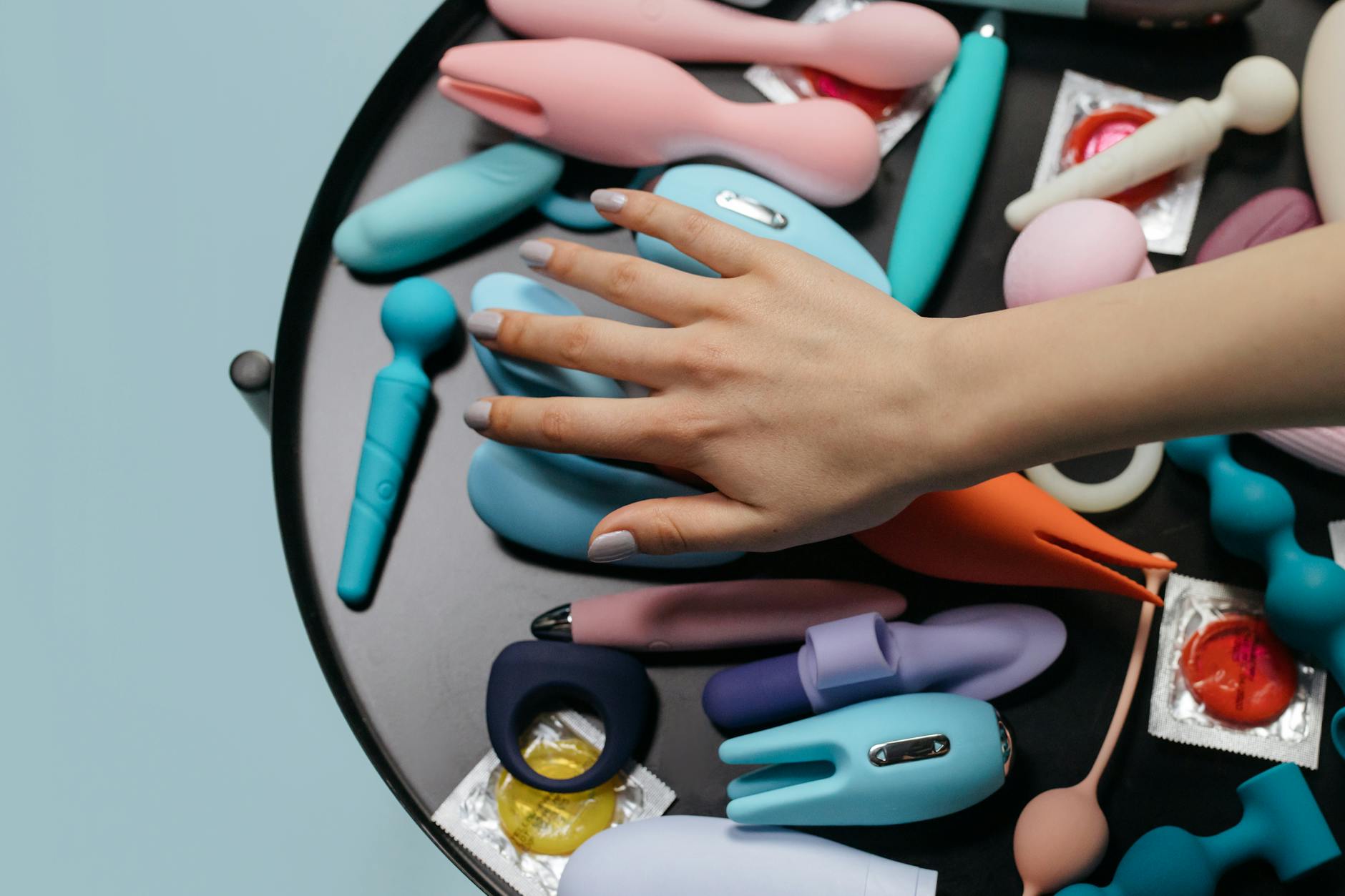
Here's what I need you to hear: this is not a character flaw in either of you. Desire mismatch is one of the most common relationship conflicts I see in my practice, and it destroys more partnerships through resentment than through actual incompatibility. The good news is that a clitoral vibrator like those from Lemon Toy Shop isn't just a solo pleasure tool. It's a bridge.
Why desire mismatch feels so personal when it isn't
When your partner declines sex, your brain doesn't file it under "oh, they're tired" or "their libido is just different." It goes straight to rejection, unattractiveness, incompatibility. You start wondering what's wrong with you. They start feeling pressured, which tanks desire even further. It's a feedback loop that sounds reasonable but is actually the worst possible conversation to be having.
Desire mismatch isn't about attraction. It's not about love. It's about biological baseline, stress load, medication side effects, relationship history, attachment style, and a dozen other variables that have nothing to do with how they feel about you. Someone can be deeply in love and genuinely not want sex twice a week. Both things are true.
But here's the thing that changes everything: introducing your own pleasure into the equation, independently, with tools like a lem vibrator or other clitoral vibrators, actually reduces the resentment in the relationship.
The paradox: meeting your own needs makes the relationship work better
I know this sounds counterintuitive. Shouldn't we meet each other's needs? Shouldn't partnered sex be the priority?
Not when the mismatch is this deep. Here's what happens when you try to get all your sexual fulfillment from a partner who doesn't have the same desire:
- You become hyper-focused on their arousal, their timeline, their comfort.
- Every "no" feels like rejection instead of information.
- Resentment builds in the background, quietly poisoning everything else.
- You stop asking for what you want because the stakes feel too high.
- The relationship becomes transactional instead of intimate.
When you use a lemon clitoral vibrator independently, something shifts. You have an orgasm. You release the tension. You stop keeping score. And suddenly you can be in the room with your partner without an agenda.
That's when real intimacy happens. Not sex. Intimacy.
How to talk about this with your partner
This is the critical part, and most people skip it. You can't just quietly add solo pleasure to your life and hope your partner doesn't notice. Well, you can, but it won't solve anything if the underlying resentment is still there.
The conversation sounds like this:
"I've been thinking about our mismatch, and I don't think either of us is doing anything wrong. Your desire is what it is, and mine is what it is, and I've been treating that like a problem to solve. It's not. But I have been holding resentment, and I don't want to. So I'm going to start taking care of my own pleasure independently, with tools that work for my body. This isn't about you not being enough. It's about me not wanting to make you responsible for something you can't control."
That's it. No apology. No framing it as a compromise or a sacrifice on their part. This is about you reclaiming your own sexuality, not pressuring them into more sex.
Some partners will feel relieved. Some will feel uncomfortable. Some will eventually want to be involved. All of those are fine.
Using a lemon vibrator solo when desire is high and theirs is low
If you're going to do this, do it intentionally. Not as a consolation prize. Not as a secret shame. As a regular part of taking care of yourself.
Start with a tool that fits your body and your pleasure style. A lem vibrator or other clitoral vibrator from Lemon Toy Shop uses air-suction technology, which creates a different sensation than traditional vibration. It's gentler on tissue, builds gradually, and tends to create more intense orgasms for people who have tried both. That matters when you're doing this solo, because you want it to actually work.
Set time aside. Not frantically in the shower before work. Real time. Twenty minutes in the afternoon, or before bed, or whenever you actually have the mental space. Your nervous system needs to be settled for this to work well.
Use lubricant. Even if you don't think you need it, water-based lube changes the experience. It reduces friction, makes the sensation feel more like touch, and gives you better control.
Focus on what feels good, not on reaching an orgasm. I say this and people always roll their eyes, but it's true. The moment you make orgasm the goal, your nervous system tightens. You're performing for yourself. When you just follow sensation, orgasm often shows up anyway. And if it doesn't, you still got pleasure and release.
What to do if your partner wants to watch or get involved
Some people's desire issues aren't about wanting less sex. They're about wanting different sex, or sex that doesn't require them to perform, or sex where they're present in a different way. Your partner might surprise you.
If they want to watch, that's fine. You don't have to perform. You're just doing your normal thing, and they get to be in the room. Some people find that hot. Some people find that it helps them understand their partner's body better. Some people feel awkward. All normal.
If they want to be involved, great. Maybe they use their hands while you use the vibrator. Maybe they provide touch somewhere else. Maybe they just kiss you. The tool doesn't have to replace them. It can work alongside them.
If they want nothing to do with it, also fine. This is your thing. They don't need to be part of it.
Managing the emotional aftermath
Here's where most people mess up: they have an orgasm with their vibrator, feel temporarily relieved, and then feel guilty. Or they feel good and then resent their partner for not being the one who made them feel that way.
The guilt is usually about internalizing the idea that self-pleasure is somehow a betrayal. It's not. It's maintenance. Your partner brushes their teeth without you brushing your teeth for them.
The resentment is trickier. It usually means the underlying conversation about desire mismatch hasn't actually happened yet. Solo pleasure is a tool, not a fix. If you're using it to avoid talking about the real issue, it will keep hurting.
When to consider that this might be a bigger incompatibility
I want to be clear: desire mismatch doesn't automatically mean a relationship is doomed. I've worked with hundreds of couples who have significant differences in libido and are deeply happy together.
But if your partner's desire has sharply decreased when it used to be higher, that's worth investigating. Low desire can be a symptom of depression, medication effects, relationship disconnection, or genuine incompatibility. A conversation with a therapist, either individually or together, can help you figure out which.
If your partner has never wanted sex as much as you want it, and they've been clear about that from the beginning, then you're choosing to stay in a relationship with a known mismatch. That's a choice, and it's valid, but it requires you to actually make peace with it instead of hoping to change them.
The real work is the conversation
A lemon clitoral vibrator is brilliant for taking care of your own pleasure. It's a tool. It's not a solution to desire mismatch. The solution is honesty, separate from blame. It's understanding that your partner not wanting sex as much doesn't mean they don't love you. It's deciding whether this mismatch is something you can genuinely accept, or whether it's a dealbreaker.
Once you've had that conversation, solo pleasure becomes what it actually is: a normal part of self-care, not a desperate workaround. And your relationship stops being about sex and starts being about connection again.
People also ask
Is it normal to have different sex drives than your partner?
Completely normal. Studies show that about 35% of long-term couples experience significant desire mismatch at some point. It's one of the most common reasons people come to therapy. The difference in baseline desire is often biological, stress-related, or a reflection of different attachment styles. It doesn't reflect anything about your attractiveness or your partner's love for you.
Will using a vibrator make my partner feel inadequate?
Some partners initially feel that way, which is why the conversation matters. But most partners, once they understand that solo pleasure is about you taking care of your own body and reducing resentment in the relationship, actually feel relieved. They're no longer solely responsible for your sexual satisfaction. Interestingly, that usually leads to more interest in partnered sex, not less, because the pressure is off.
Can a lemon vibrator help me reconnect with my partner despite our desire mismatch?
Indirectly, yes. When you're taking care of your own pleasure, you're not focused on convincing your partner to want more sex. You're not keeping score. You're not resentful. That shifts the entire emotional tone of the relationship. You can be in the room with your partner without an agenda, which is when real intimacy happens.
What if my partner doesn't want me using toys at all?
Then you have a different conversation. Their discomfort with toys might come from insecurity, religious beliefs, relationship history, or genuine disgust. All of those are worth understanding. But ultimately, your body and your pleasure are yours. If a partner refuses to allow you to take care of your own sexual health, that's controlling behavior worth examining with a therapist.
How often should I use a vibrator if my partner isn't interested in sex?
There's no frequency that's "right." Use it when you want pleasure or release. Some people use vibrators a few times a week. Some use them twice a month. It depends on your baseline desire, stress levels, and what your body is asking for. The goal isn't frequency. It's not treating solo pleasure as a compromise or a consolation prize, but as a normal part of caring for yourself.
Does using a vibrator solo mean my relationship is in trouble?
Not at all. Solo pleasure doesn't indicate anything about your relationship health. Plenty of people in highly sexual partnerships use vibrators alone because different situations call for different tools. The relationship is in trouble if the desire mismatch is causing resentment that goes unaddressed. The tool isn't the problem. The conversation is the solution.